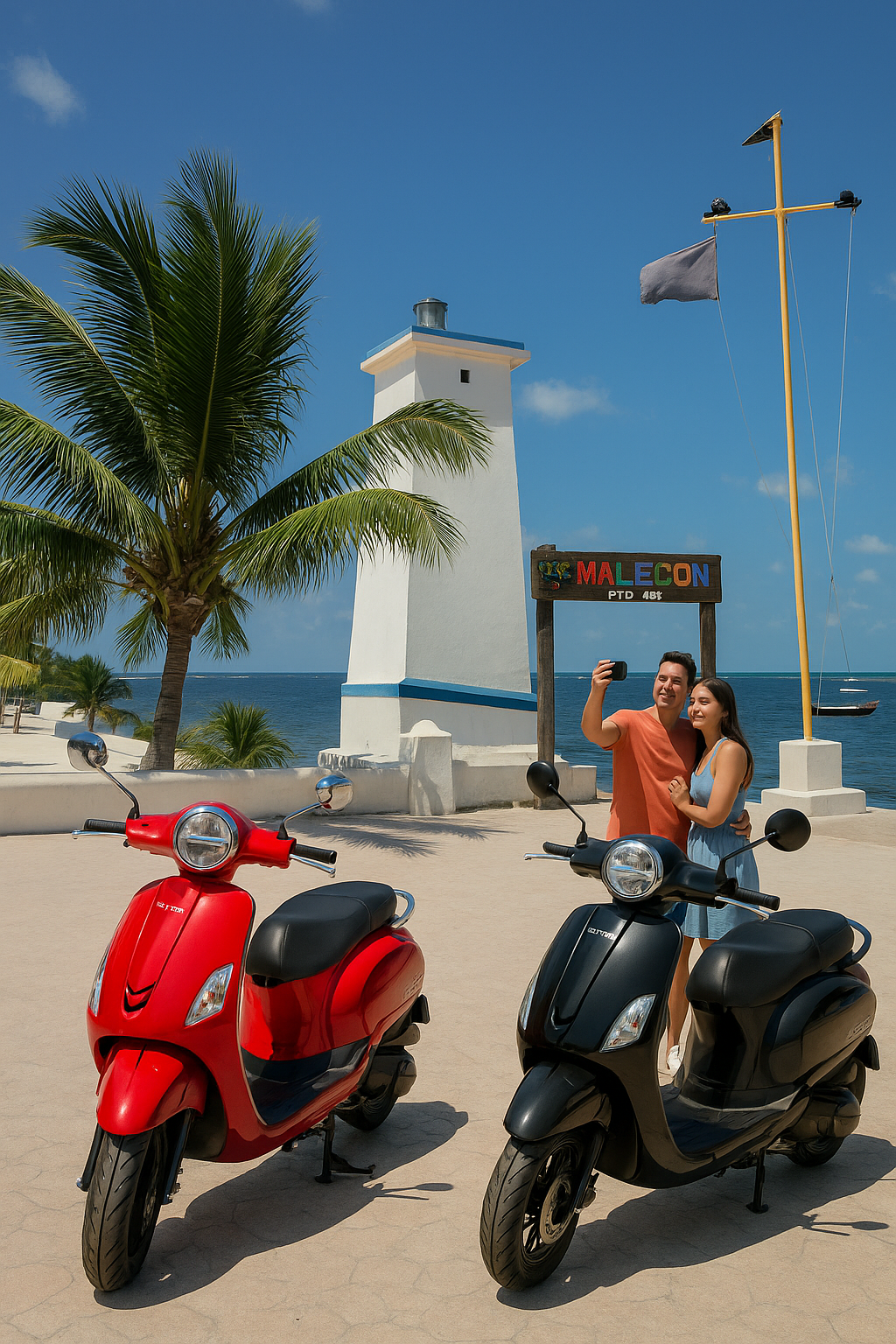
Sargazo in Puerto Morelos: The Truth Nobody Explains Properly 🌊

Every year, the internet panics when the word sargazo starts trending.
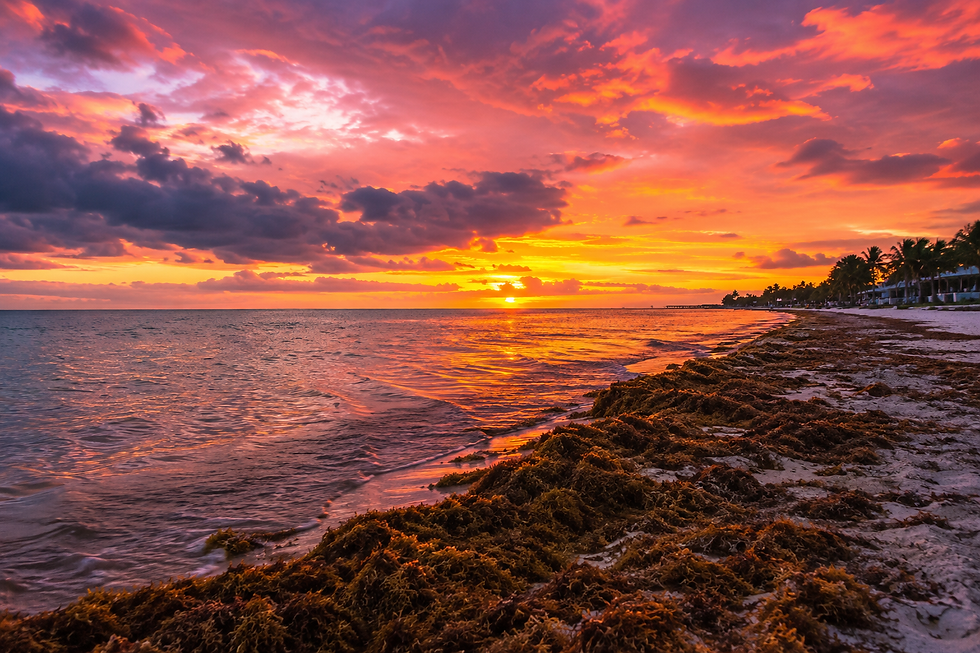
And every single year, someone on a Facebook group posts a dramatic, filtered photo of a brown beach like the apocalypse just arrived in the Mexican Caribbean.
Cue the comments section melting down.
So… let’s take a breath and talk about the real story. No sugar-coating, but no apocalypse either.
🔬 What Actually Is It? (Sargazo)
Sargazo is a floating, brown seaweed that travels through the Atlantic Ocean. It’s not "pollution" or trash; it’s a natural ecosystem. Because of changing ocean temperatures and winds, it arrives seasonally to the Riviera Maya, including Puerto Morelos.
But here is the trick that nobody explains: Ocean currents change by the hour.
Some days there is almost none.
Some days there’s a noticeable line of it.
Some weeks the beach looks like a postcard in the morning and messy by 2:00 PM because the wind shifted.
That’s why asking “Is there sargazo right now?” on Facebook is like asking if it’s going to rain next Tuesday at 4:15 PM. Nobody can answer that accurately for more than a few hours ahead.
🚜 The Unsung Heroes of the Beach
What most tourists sipping coffee at 10:00 AM don’t realize is that an army of people has been working since 5:00 AM to make the beach look good.
Tractors, local crews, hotel workers, and volunteers spend hours every single day shoveling and hauling tons of seaweed under brutal heat and humidity. Honestly, these beach-cleaning crews deserve a standing ovation and way more respect than they get.
📍 The Puerto Morelos Advantage: Location Matters
Not all beaches in the Riviera Maya are affected equally. Because of the way the coastline curves, geography plays a huge role:
Sometimes Puerto Morelos has sargazo, but Cancun is clear.
Sometimes Playa del Carmen is swimming in it, and our beaches are beautiful.
Thanks to the National Reef Park barrier just offshore, Puerto Morelos often manages sargazo differently than wide-open beaches.
The Caribbean is unpredictable like that.
🗓️ When is "Sargazo Season"?
Historically, the peak months are April, May, June, and July.
But nature doesn't read our calendars. Some years have heavy arrivals early on, and other years are surprisingly manageable. Generally, by late autumn and winter, the beaches return to their classic, pristine turquoise self.
🤷♀️ Should You Cancel Your Trip? (Spoiler: No)
Unless your only goal in life is to stare at one exact patch of sand for 7 days straight, absolutely not.
Even during heavy sargazo days, locals and smart travelers know that Puerto Morelos is much bigger than a seaweed season. People still:
Go snorkeling at the reef (where the water is often perfectly clear underneath!).
Eat incredible fresh seafood at beachside palapas.
Drink excellent margaritas.
Head inland to the Ruta de los Cenotes (where the water is crystal-clear, fresh, and 100% sargazo-free).
And let's be honest: some of the most insane, fiery sunsets happen during the summer months.
🤝 A Mendiola City Note
When you live here, you learn to read the wind and the tides instead of panicking over Facebook photos. Puerto Morelos has a magical charm that seaweed simply can't ruin.
If the sargazo rolls in during your visit and you want a backup plan, don't waste a day of your vacation. At Mendiola City, we design personalized tours and unique, off-the-beaten-path experiences—like exploring crystal-clear jungle cenotes or finding hidden local spots—completely away from the seaweed.
Ready to experience the best of Puerto Morelos, sargazo-free? Send us a message and let us customize the perfect alternative day for you!



Comentarios